Sump Pump Installation
If water keeps showing up in the same corner of your basement after every heavy rain, a properly placed sump pump gives it somewhere to go.
DetailsJersey City neighborhood
Paulus Hook was once surrounded by marsh, and the ground under its rowhouses still behaves that way. Basements here sit close to the water table, take wind-driven rain off the Hudson and need drainage that keeps working when the power goes out.
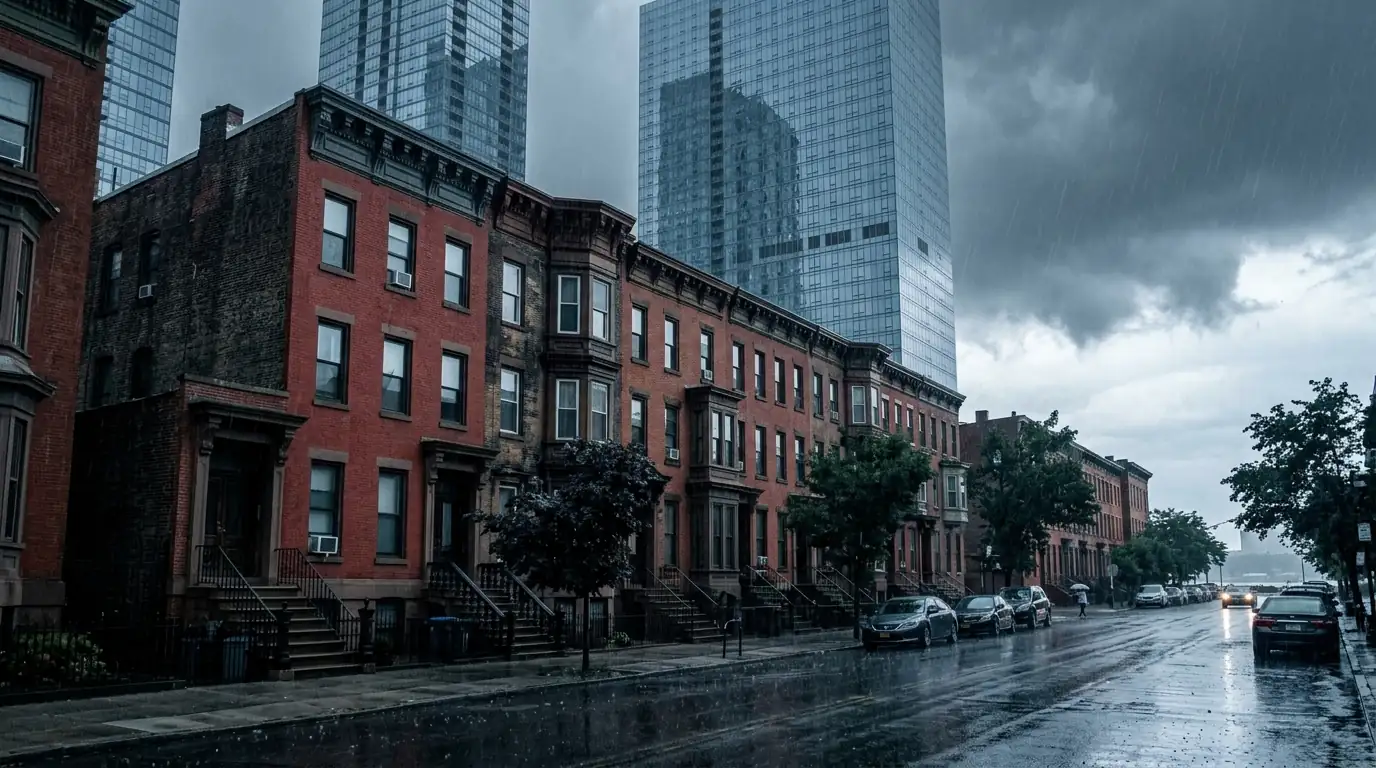
If your Paulus Hook basement floods, seeps after long rains or backs up through the floor drain, call (201) 578-5199, day or night. We come from our downtown office a few blocks away, find whether the water is groundwater, sewer water or rain driven off the river, and recommend a sump, drain or valve setup, with the typical cost range explained first.
Paulus Hook is the oldest settled part of Jersey City, and for a long time it was nearly an island in the marsh. The land was built up with fill, and that fill still sits on water. After a rainy week the water table rises to just below many basement floors, and in some buildings it reaches them. The pressure pushes water through the cove, up through cracks in the slab and through the old brick foundation joints. In older rowhouses on Grand Street the problem is steady and predictable, and it follows the season.
The newer towers near Exchange Place are built differently, but they share the same ground. Their below-grade garages and elevator pits sit in groundwater all year, and a crack in a garage wall or a pit floor leaks constantly. For those buildings we work on elevator pit waterproofing with crystalline or injection treatment and on garage wall cracks. For rowhouses, the answer is usually drainage: collect the water under the floor before it reaches the room and send it out with a pump. Rowhouse basements here rarely need excavation outside, which is lucky, because the front yard is usually a sidewalk.
Paulus Hook faces the Hudson River, and storms come off the water hard. Wind-driven rain hits the front walls, parapets and window frames on these blocks more directly than it does further inland. Some basement leaks here start as wall leaks: rain forced through open mortar joints in the front facade runs down inside the masonry to the foundation. When the dampness follows wind direction rather than rain totals, we check the facade and recommend exterior wall waterproofing with a breathable silane or siloxane sealer after any needed repointing.
Getting equipment in is the familiar downtown routine, made tighter by the waterfront traffic. Rowhouse basements are reached through the front areaway, and the street is often permit parking. We stage early in the day, carry the drain pipe, sump basin and bags of stone down by hand, and haul excavated soil out in buckets. Sidewalk protection stays down for the whole job. In towers we coordinate with the property manager on loading dock times, elevator use and which garage spaces have to be closed off while we work. Material deliveries for tower jobs are timed so the street in front of the lobby stays clear for residents.
Based on the buildings here, these are the calls we expect from Paulus Hook. Every other service on our list is available too.
If water keeps showing up in the same corner of your basement after every heavy rain, a properly placed sump pump gives it somewhere to go.
DetailsIf your sump pump is humming without moving water, cycling every few seconds or sitting silent while the pit fills, call us now.
DetailsWhen groundwater keeps finding its way in at the base of your walls, coating the inside won't hold it back.
DetailsWhen a heavy storm sends dark, foul water up through your basement floor drain, the problem is the sewer, not groundwater.
DetailsWater in an elevator pit is more than a nuisance: it rusts equipment, can take a car out of service and tends to show up on inspection reports.
DetailsIf your building sits on low ground downtown, in Hoboken or in Secaucus, the next big storm can push water through doors, areaways and window wells.
DetailsSandy in 2012 pushed water into low downtown streets, and the lesson for Paulus Hook was simple: the power goes out exactly when the pump is needed most. Every sump we install here gets a check valve, a discharge line that carries water well away from the foundation, and a battery backup that takes over when the main pump loses power. Our guide to sump pumps and backups explains how long a battery typically runs and what to test each season. Each spring we suggest pouring a bucket of water into the pit to watch both pumps start and stop.
Paulus Hook buildings also sit on the combined sewer, so a big storm can push sewer water back into the basement through the floor drain even when the walls hold. A backwater valve closes that path. FEMA flood zones cover parts of this area, and flood insurance is a question for your agent, not for us. What we can do is keep the everyday water out and make sure your system works when the next big storm comes. Owners just inland in Van Vorst Park ask many of the same questions about pumps and backups.
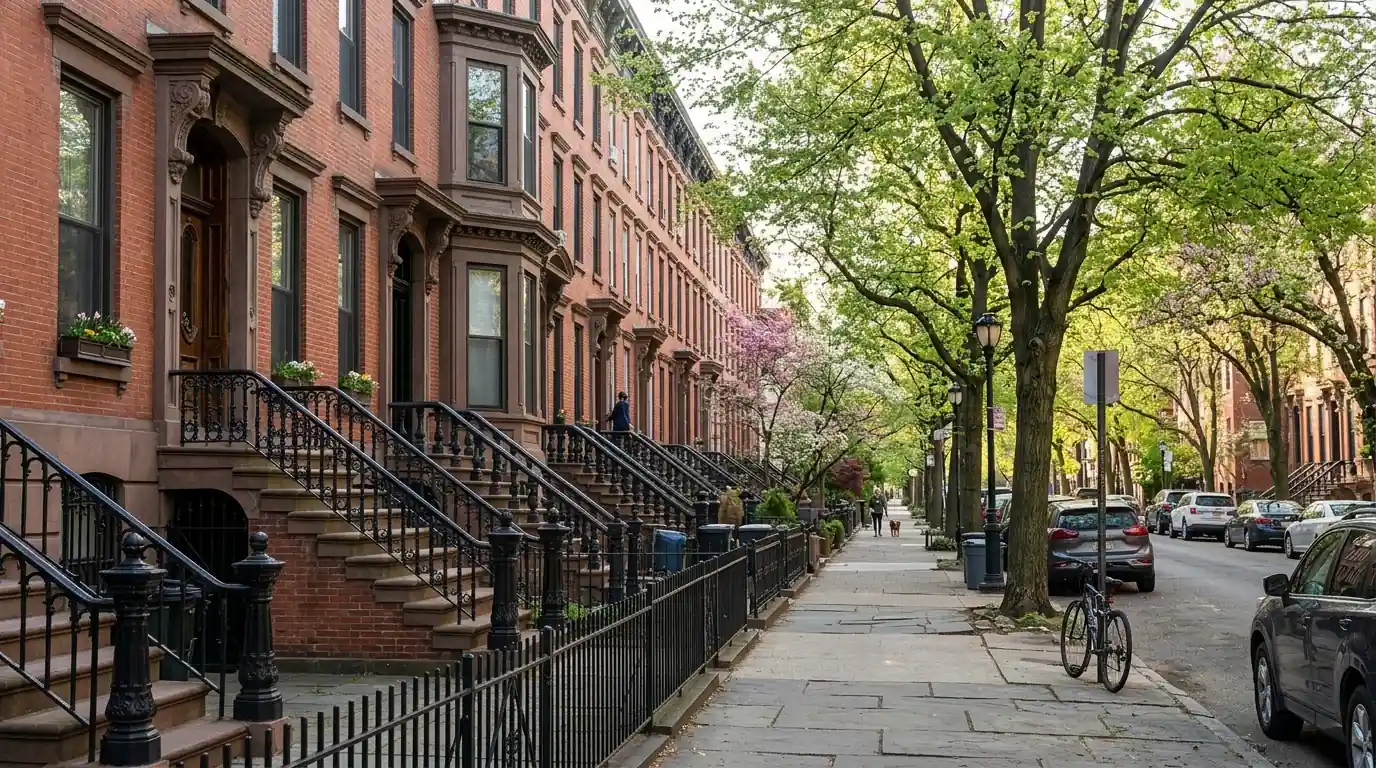
Paulus Hook sits on fill over old marsh, so the water table rises slowly after a long rain and stays high for days. Seepage that appears late and lingers is usually groundwater pressure, not a roof or wall leak. An interior drain feeding a sump pump is the usual fix, because it lowers that pressure right under your floor.
A battery backup pump that switches on automatically when the main pump loses power or cannot keep up. Storms that flood this area often knock out electricity at the same time. We size the battery for your basement and show you how to test it each season, so it is ready when the lights go out.
Yes. Below-grade garages and elevator pits in waterfront towers take groundwater year round. We treat garage wall and floor cracks with injection, apply traffic coatings to garage decks, and seal elevator pits with crystalline or injection treatment. We schedule the work with the property manager so residents keep access to their spaces.
Call (201) 578-5199 any time. Tell us the address and what you're seeing, and we'll take it from there.