Stone & Brick Foundation Waterproofing
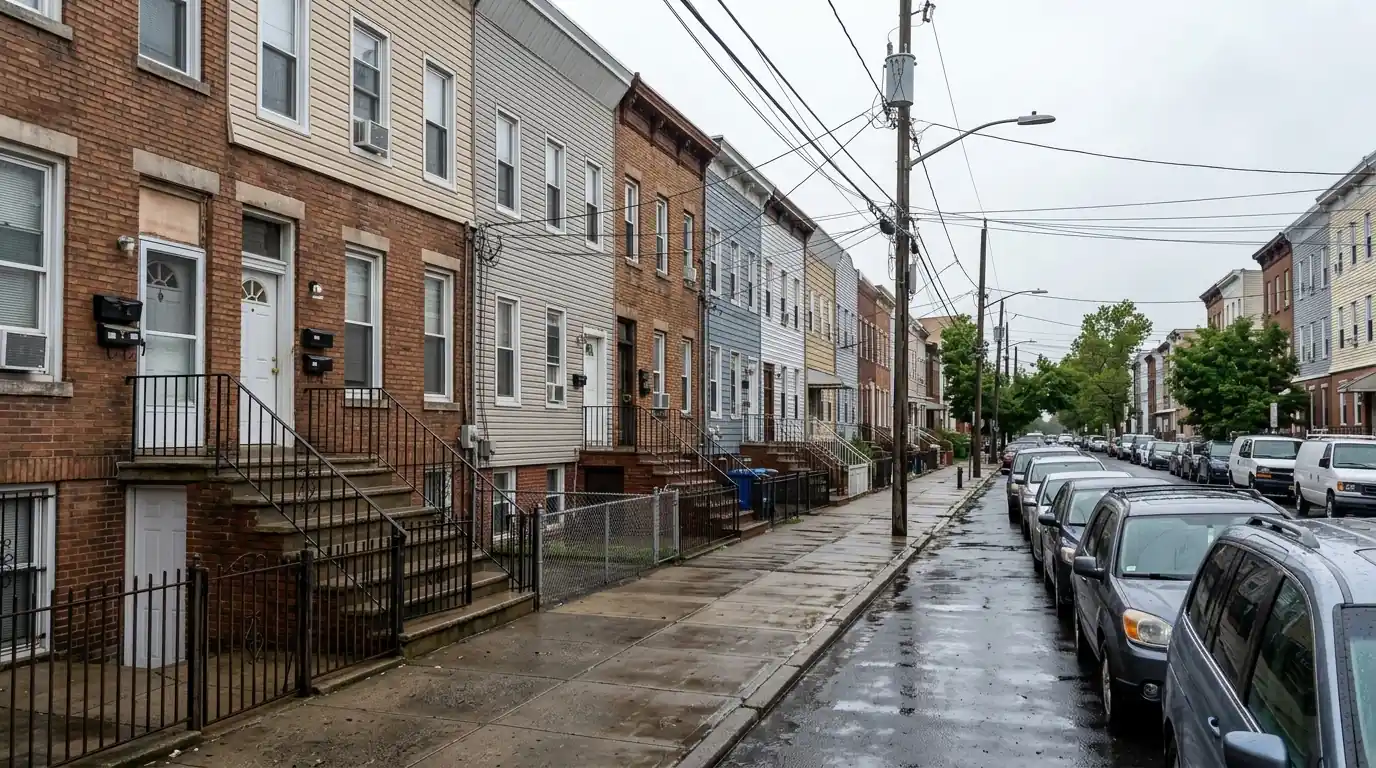
The rubble-stone and brick walls under 19th-century rowhouses weep differently from poured concrete.
DetailsHudson County town
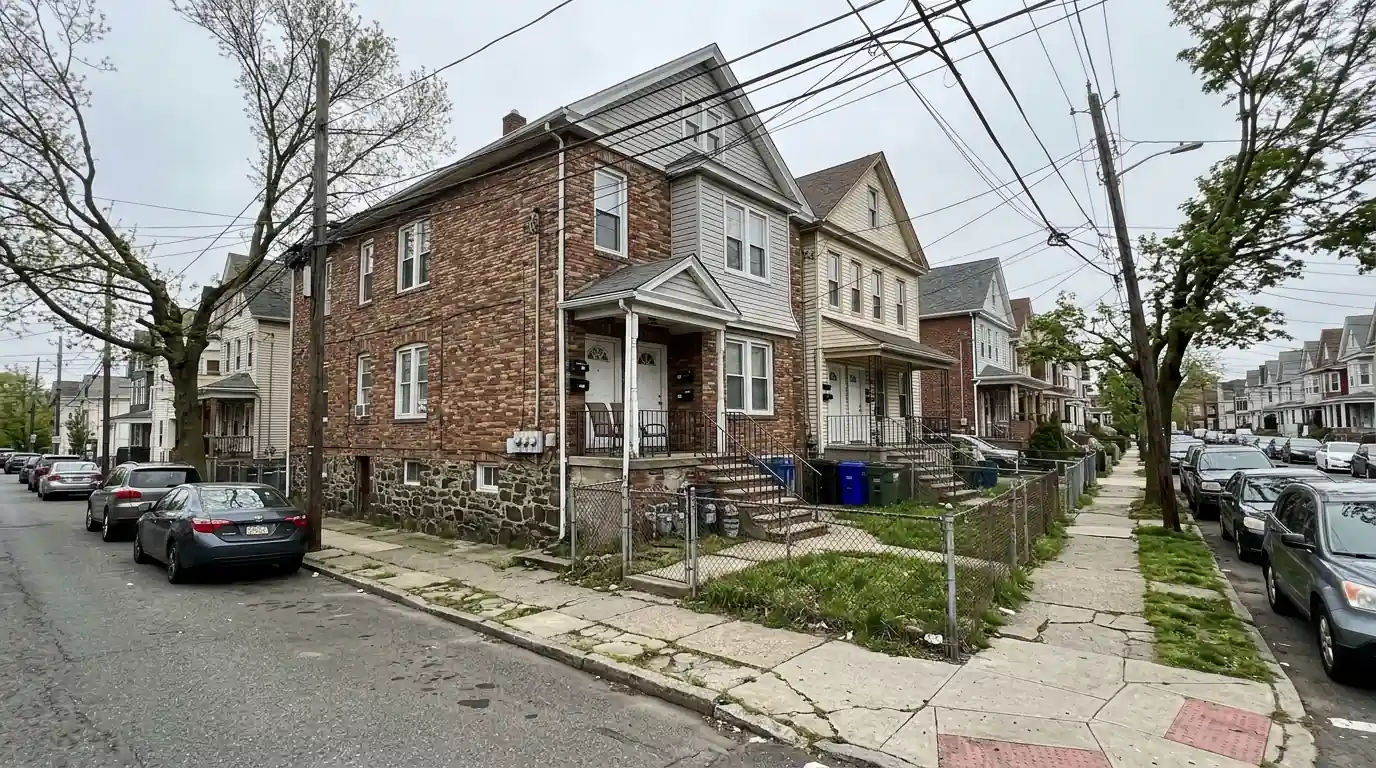
Kearny's brick and frame one- and two-family houses sit on foundations that have held back water for generations, some on lower ground toward the Passaic River. We repair those walls and give the water a dependable way out.
For a seeping foundation wall or a wet basement in Kearny, phone (201) 578-5199 and a person answers, 24/7. Our technicians test the walls and floor and look at gutters, grading and drains outside. Typical repairs include repointing old mortar, crack injection, an interior drain and sump, or excavation and membrane on an exposed wall where the lot leaves room to dig.
Kearny's residential streets run back from the Passaic River, and the houses along them range from early brick to frame homes of many eras. Plenty of the older ones stand on brick or stone foundations laid in lime mortar that has slowly washed out, leaving joints that let groundwater straight through. Newer houses usually have block or poured walls, where the weak spots are the hollow block cores, the cove joint and settlement cracks. Lower blocks toward the river tend to see more groundwater after long rains, while houses on higher ground mostly fight surface water from roofs and walks.
Footing drains are often the hidden failure. Around many older houses, a clay drain at the base of the foundation once carried water away. Decades of silt, roots and broken joints have choked a lot of them, so water that used to drain off now sits against the wall and pushes in. You'll notice efflorescence, peeling paint on the lower wall, or a damp line that climbs a little higher every spring. Replacing a buried drain from outside is a big dig, which is why most Kearny owners end up choosing a drain inside the basement instead.
Some Kearny lots have room for excavation along an exposed side or rear wall. Where that's true and the wall calls for it, exterior foundation waterproofing means digging to the footing, cleaning and parging the wall, applying a membrane and setting new drain tile in stone. It's the most thorough repair and also the most disruptive. Driveways, porches and fences often sit right against the house, so we tell you plainly where digging is practical and where it would cost more than it saves.
For most houses, an interior perimeter system does the same job from the basement. We cut the slab along the wall, lay perforated pipe in washed stone, set a dimple membrane against the foundation so seepage runs down behind it, and carry everything to a sump pit with a discharge line that throws the water well clear of the house. The water still reaches the wall, but it never reaches your floor. Our cost guide for basement and foundation work lays out typical ranges for both approaches side by side, so you can compare before we visit.
Based on the buildings here, these are the calls we expect from Kearny. Every other service on our list is available too.
The rubble-stone and brick walls under 19th-century rowhouses weep differently from poured concrete.
DetailsWhen groundwater keeps finding its way in at the base of your walls, coating the inside won't hold it back.
DetailsIf you want water stopped at the outside face of the wall, before it ever touches the masonry, the wall has to be dug out.
DetailsRain driven sideways by a nor'easter finds every open mortar joint on a brick wall, then shows up as stained plaster, peeling paint or a damp closet.
DetailsIf water keeps showing up in the same corner of your basement after every heavy rain, a properly placed sump pump gives it somewhere to go.
DetailsA leak in a commercial building costs more than the repair: damaged stock, closed storefronts, unhappy tenants and an anxious board.
DetailsSouth Kearny is a different world from the house-lined blocks along Kearny Avenue: industrial buildings, warehouses and yards on low ground. These buildings bring commercial problems, such as slab joints weeping groundwater, dock pits that fill, wall panels with failed sealant and wide flat roofs where water ponds. We approach them with the same diagnosis we use on a house, then scale the fix with commercial waterproofing methods like joint sealing, injection and coatings, phased around shifts so the work doesn't halt operations or block truck traffic.
Back in the residential part of town, the simplest upgrades often deliver the most. Downspouts that pour against the foundation are common on Kearny houses, and redirecting them into buried leader lines or long extensions takes a lot of load off older walls. Regrading a strip of soil so it slopes away from the house helps too. Inside, a dehumidifier keeps a repaired basement from turning musty in July. We'll tell you which small fixes are worth trying before committing to a drain system, and we'll be straight with you when a wall truly needs more than that.
Sand or crumbled mortar at the base of a stone wall means the joints are washing out. It isn't usually an emergency, but it lets more water through each year and can loosen stones over time. We rake out the failed joints and repoint with a mortar compatible with the old lime, then handle any remaining seepage with drainage rather than a hard sealer.
Exterior waterproofing stops water before it touches the wall, which is ideal where there's room to dig. Many Kearny houses have driveways, porches or neighbors right at the foundation, which makes excavation costly or impossible on some sides. An interior drain handles water after it passes the wall and keeps the floor dry. We often suggest exterior work on one exposed wall and interior drainage elsewhere.
Not every one, but houses on lower ground near the river tend to see more groundwater after long rains, and a sump pit with a backflow check and a battery-powered second pump is the standard way to handle it. If your basement only gets wet at one spot during storms, the cause may be a downspout or crack instead, and we would fix that first.
Call (201) 578-5199 any time. Tell us the address and what you're seeing, and we'll take it from there.