Basement Waterproofing
Water on the basement floor after every hard rain usually means pressure from outside the wall, not a plumbing leak.
DetailsJersey City neighborhood
Downtown basements sit on old marsh and fill close to the Hudson, under rowhouses and condo conversions that were never built to stay dry. Our Jersey City office is right here on Newark Avenue, a few blocks from most of them.
For wet basements, sewer backups and leaking foundations in downtown Jersey City, call (201) 578-5199 at any hour. Our office at 218 Newark Avenue is a short trip from most downtown blocks. A technician traces the water, tells you whether it is groundwater, sewer water or roof runoff, and gives you the typical cost range before any work begins.
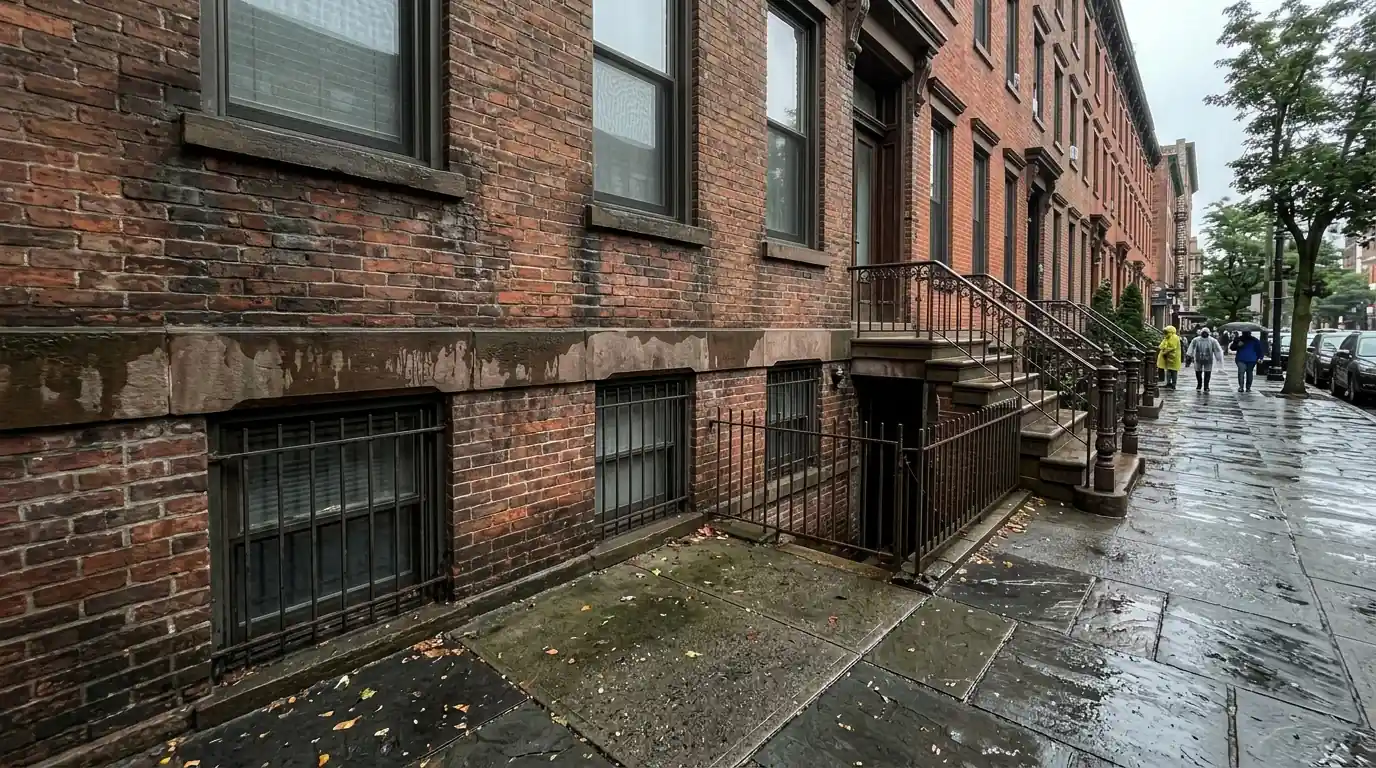
Large parts of downtown Jersey City were marsh before they were streets, and the fill laid down over the years holds water. After a long rain the water table rises, and basements on these blocks feel it as steady hydrostatic pressure on the floor and the lower few feet of wall. In old brick foundations the water finds washed-out lime mortar. In condo conversions where a newer slab was poured inside an old shell, it comes through the joint between the new floor and the old wall, then spreads under whatever flooring sits on top. Swollen baseboards are often the first clue.
Downtown is also where Sandy did the most damage in 2012, pushing storm surge into low streets, and FEMA flood zones cover parts of the neighborhood. A flood zone is about surface water and insurance, which is a question for your agent. What we deal with is the everyday water: the seep after three days of rain, the efflorescence crusting on brick, the musty smell that comes back every summer. Those problems are fixable with drainage, sealing and a sump, even on a block that floods in the biggest storms. Drainage handles the water you live with every season, and that is where most of the money should go.
Being a short walk from 218 Newark Avenue helps when water is coming in at night, but most downtown work is planned in advance. Rowhouse basements are usually reached through the front areaway or a steep interior stair, so we bring compact tools: a walk-behind saw for the slab, buckets and bags for hauling soil, and the parts for an interior drain system cut to lengths that fit through a narrow door. Pump hoses run out through the areaway, not across your parlor floor, and we cover the stair before the first bucket comes up.
Downtown blocks are packed. Permit parking, the Newark Avenue plaza and narrow one-way streets mean we plan staging the day before and keep sidewalk protection down while we carry material in and out. Party walls are shared, so we look at both sides of the problem: water that appears on your side of a party wall may be coming from a neighbor's yard or leader. When that happens, we explain what we found so you can raise it with them, and we seal your side either way so the water stops reaching your basement.
Based on the buildings here, these are the calls we expect from Downtown Jersey City. Every other service on our list is available too.
Water on the basement floor after every hard rain usually means pressure from outside the wall, not a plumbing leak.
DetailsWhen groundwater keeps finding its way in at the base of your walls, coating the inside won't hold it back.
DetailsA thin line of water creeping out where the floor meets the wall after a downpour is a cove joint leak.
DetailsIf water keeps showing up in the same corner of your basement after every heavy rain, a properly placed sump pump gives it somewhere to go.
DetailsIf your building sits on low ground downtown, in Hoboken or in Secaucus, the next big storm can push water through doors, areaways and window wells.
DetailsWhen a heavy storm sends dark, foul water up through your basement floor drain, the problem is the sewer, not groundwater.
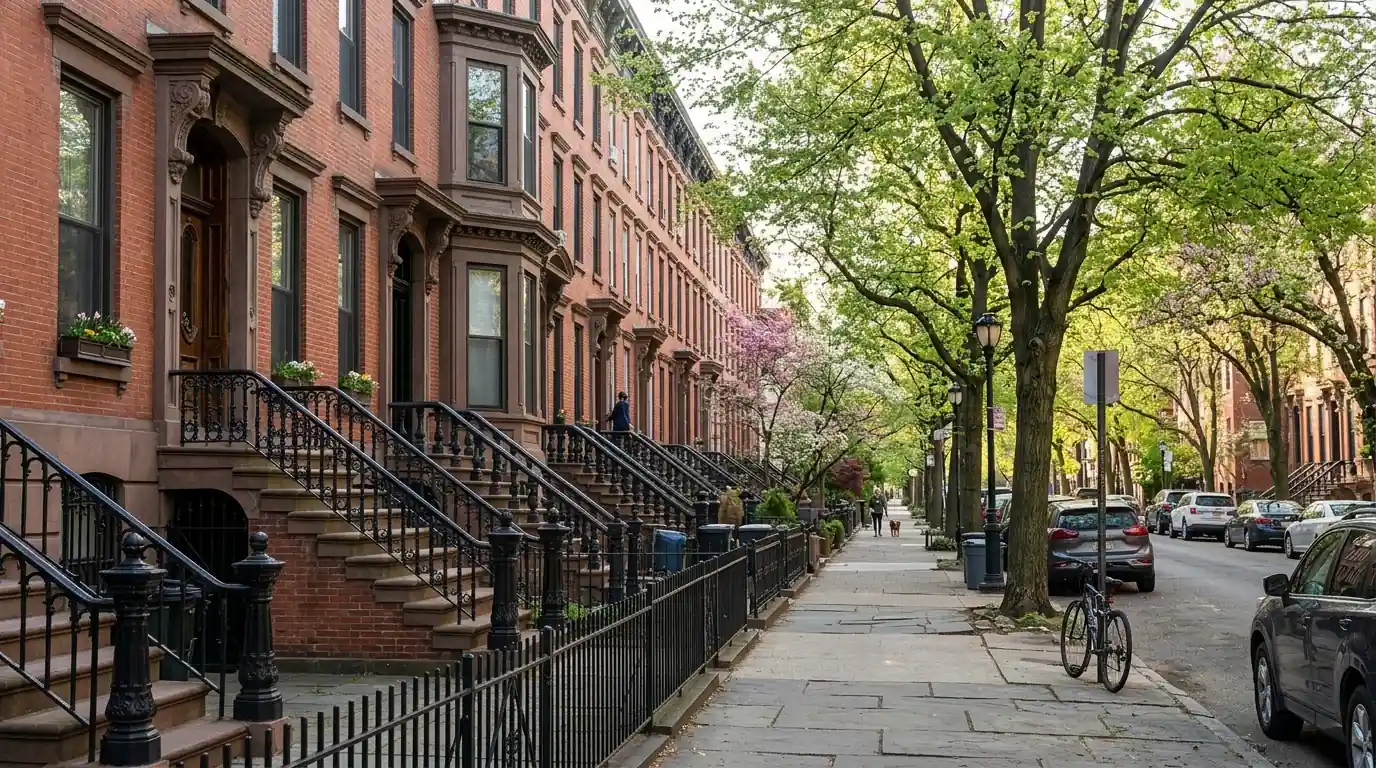
DetailsDowntown has many rowhouses and older buildings that were converted into condos, and those buildings bring a specific problem. The renovation often poured a new slab or added a finished floor over the original basement, but left the old brick or stone walls behind new framing. Water then runs down the masonry behind the drywall and spreads under the flooring before anyone notices it. We open a small section, find where it enters, and decide whether the fix belongs at the wall, at the cove, or at both, before recommending anything larger. Small openings keep the repair bill honest and the disruption to your unit limited.
For condo associations we put the scope in writing, explain which unit or common element the leak belongs to, and work with the property manager on access. Common fixes downtown include cove joint leak repair, sealing the old wall where the masonry allows it, and a sump with a battery backup so the system keeps running when a storm cuts power. Nearby Paulus Hook sits on some of the lowest ground in the city, and the same thinking applies there, usually with more drainage.
Often it is. Downtown sits largely on old marsh and fill near the Hudson, and that ground holds a high water table, so basements feel pressure after long rains. Seepage that shows up a day or two after a storm, along the floor edge, points to groundwater. Water that appears during the storm itself can also be a sewer backup or a leader problem.
Usually only partly. We open small inspection sections first to find the entry point. If the leak is at one wall, we remove just that strip of drywall and flooring for the repair. A full interior drain needs access to the whole perimeter, so we tell you plainly how much has to come out and why before work begins.
Our Jersey City office is at 218 Newark Avenue, close to the Grove Street PATH station, so most downtown blocks are a short drive or walk away. That helps on emergency nights. The phone at (201) 578-5199 is answered 24/7, and an emergency crew can be sent the same night when one is free.
Call (201) 578-5199 any time. Tell us the address and what you're seeing, and we'll take it from there.