Parking Garage Waterproofing
Drips onto parked cars, rust stains on the ceiling and water reaching the storage rooms or shops below a garage deck all mean water is getting.
DetailsNew Jersey county
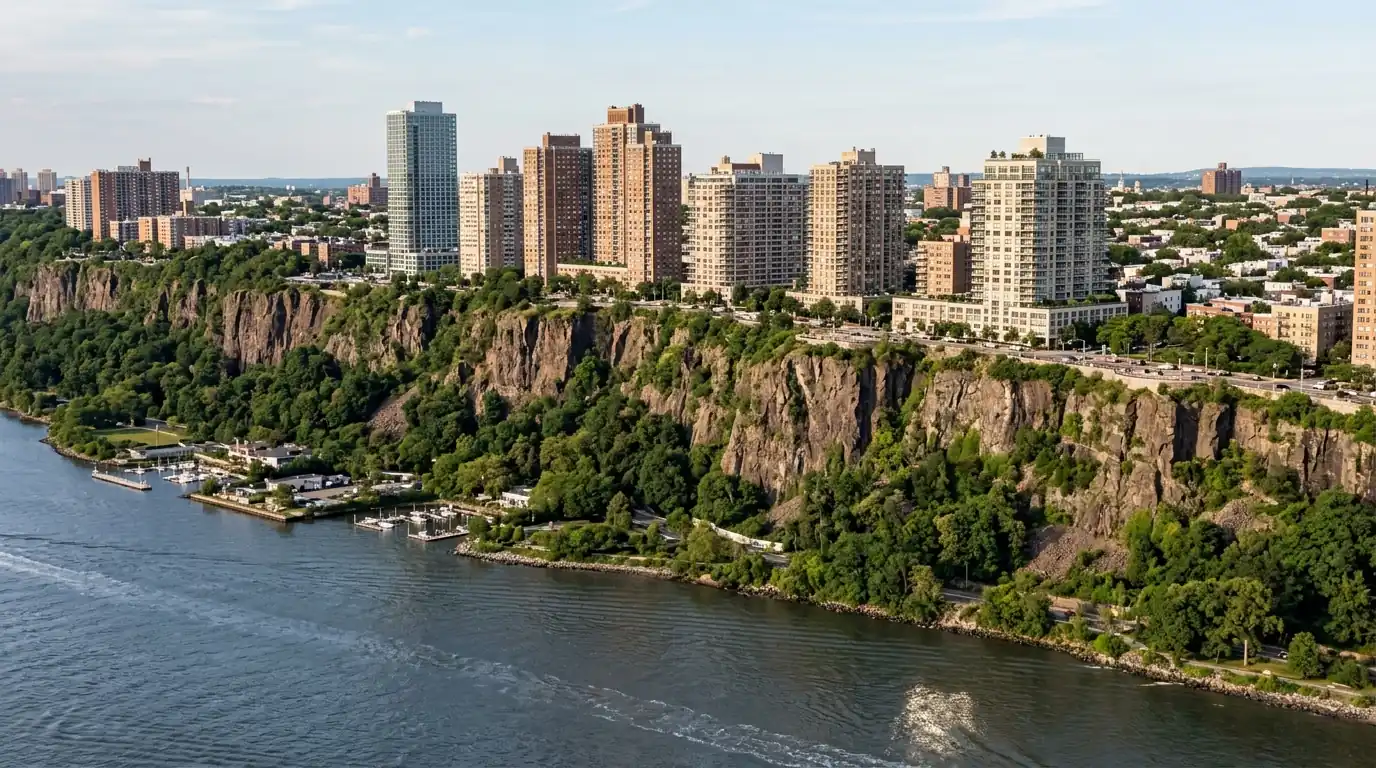
Bergen County is the most populous county in New Jersey, and its buildings range from high-rise co-ops on the Palisades in Fort Lee and Cliffside Park to garden apartments and suburban homes around Hackensack and farther west.
In Bergen County, our technicians waterproof parking garages, elevator pits and terraces for Palisades high-rises, and fix wet basements, sump pumps and sewer backups for houses and garden apartments inland. We coordinate tower work with boards and managers and keep house visits simple. Call (201) 578-5199 day or night to talk about your building, and we'll outline what we'd inspect.
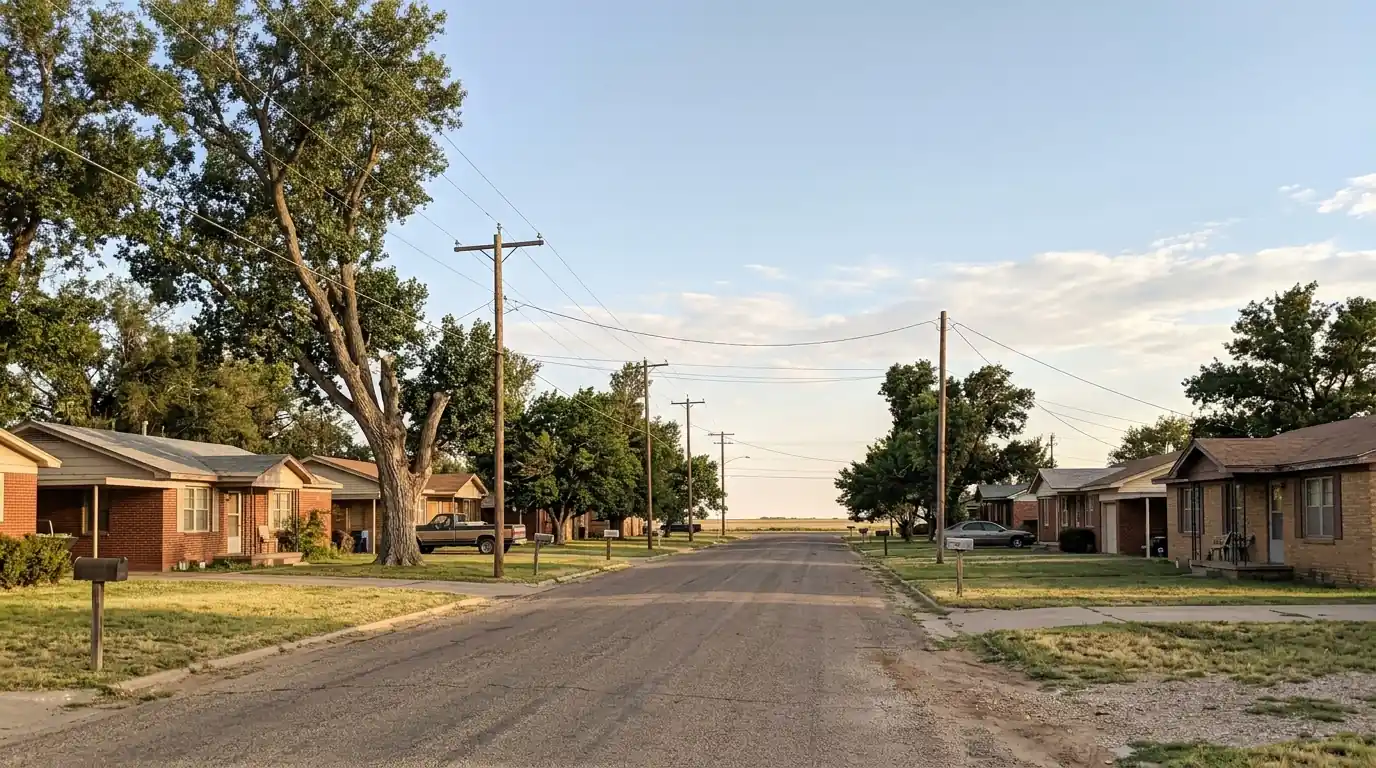
Bergen County's eastern edge sits on the Palisades, and in Fort Lee and Cliffside Park that ridge is lined with high-rise co-ops and condominiums. These buildings have below-grade garages, elevator pits, stacked terraces and parapets, each a place where water gets in. Hackensack, the county seat, sits lower along the Hackensack River with garden apartments and older frame houses. Farther west, suburban homes with pitched roofs and full basements take over. That spread means the county's water problems range from salt-damaged garage decks to a flooded basement after a storm. Few counties pack that much variety into a short drive.
The towers' problems are mostly about concrete and membranes. Road salt carried in by cars eats into garage decks, expansion joints split, and terraces crack at thresholds and drains. Elevator pits take groundwater through cracks and joints. The houses inland face simpler but more frequent trouble: sump pumps that fail during power outages, window wells that fill, leaders dumping beside the foundation and sewer water backing up through floor drains. Both sets of problems call for finding the entry point first, then fixing it where the water actually comes in. Generic fixes applied without that step tend to fail within a season or two. We'd rather find it once.
High-rise jobs follow the building's rules. We meet the property manager or superintendent, walk the problem areas and submit a written scope for the board. Garage work is divided into zones so residents keep parking, with notices posted before each section closes. Elevator pit work is set with the elevator contractor during a planned lockout. Parking garage waterproofing involves routing and sealing cracks, rebuilding joints and applying a traffic coating that can handle tires and road salt through many winters. Before coating, every repaired crack gets checked during a rain or a water test, so the coating isn't hiding an active leak.
House calls are simpler to organize. We park in the driveway, start outside with the gutters and grade, then move into the basement to check the walls, floor drain and sump. Garden apartment complexes fall somewhere between the two, with a manager to coordinate access but buildings low enough that the work looks like residential repair repeated across several structures. In Hackensack, many of those complexes need the same window well and sump fixes on every building, so we plan them as one project. One crew moving building to building finishes faster and leaves the complex with a consistent result. Residents see the same crew each day.
Based on the buildings here, these are the calls we expect from Bergen County. Every other service on our list is available too.
Drips onto parked cars, rust stains on the ceiling and water reaching the storage rooms or shops below a garage deck all mean water is getting.
DetailsWater in an elevator pit is more than a nuisance: it rusts equipment, can take a car out of service and tends to show up on inspection reports.
DetailsWater from a terrace or balcony is showing up in the unit below, at the door frame, or as rust stains on the concrete.
DetailsWater on the basement floor after every hard rain usually means pressure from outside the wall, not a plumbing leak.
DetailsIf water keeps showing up in the same corner of your basement after every heavy rain, a properly placed sump pump gives it somewhere to go.
DetailsA single crack running down a poured basement wall can soak a corner of the floor every time it rains.
DetailsOn the Palisades, rock sits close to the surface. Water doesn't rise evenly from below; it runs along the rock and finds the nearest crack, joint or tie-rod hole in the foundation. A garage wall can stay dry along most of its length and leak from a single point. That's why elevator pit waterproofing and garage wall repairs on the cliffs focus on injection at specific cracks and crystalline treatment of the concrete, rather than whole-wall systems. Fix the points, and the wall is dry. Pumping and drain channels then handle whatever seepage remains at the lowest point. Garages get the same point-by-point approach.
Down along the Hackensack River, the ground is lower and FEMA flood zones cover parts of that side. Here water arrives from below as the water table rises, and from sewer lines that back up in heavy rain. Basements there benefit from interior drains, sump pumps with battery backups and backwater valves on the sewer line. Flood insurance questions go to your own agent, and we stay out of coverage advice. Our sump pump and battery backup guide explains what to look for in a pump setup. Window wells with clogged drains are another frequent entry point on this side of the county. We clear and test them.
We also take calls from other Bergen County towns not listed here. Call (201) 578-5199 to check.
Most need crack routing and sealing, rebuilt expansion joints and a traffic coating that protects the deck from tires, water and road salt. Older garages may also need concrete repairs where rusting steel has cracked the surface. We survey the garage, map the leaks and propose a phased plan so residents can keep parking while each zone is repaired.
Low ground near the river tends to hold more water, so basements take groundwater from below after long rains, plus sewer backups through floor drains in heavy storms. That calls for interior drains, sump pumps with battery backups and backwater valves. Up on the Palisades, water enters through specific cracks instead, which is better handled with targeted injection.
Yes. We start by tracing the leak from the damaged unit upward, then present the board or manager with a written scope covering the terraces involved. Repairs might include threshold and wall joint sealing, drain repairs or a new liquid-applied membrane. We coordinate unit access through management so owners know when to expect us and what the work involves.
Call (201) 578-5199 any time. Tell us the address and what you're seeing, and we'll take it from there.