Cove Joint Leak Repair
A thin line of water creeping out where the floor meets the wall after a downpour is a cove joint leak.
DetailsHudson County town
Harrison mixes older two-family houses with new mid-rise rentals near the Passaic River and the PATH station. Both end up with water at the same weak point, the cove joint along the floor line, and that is what we fix.
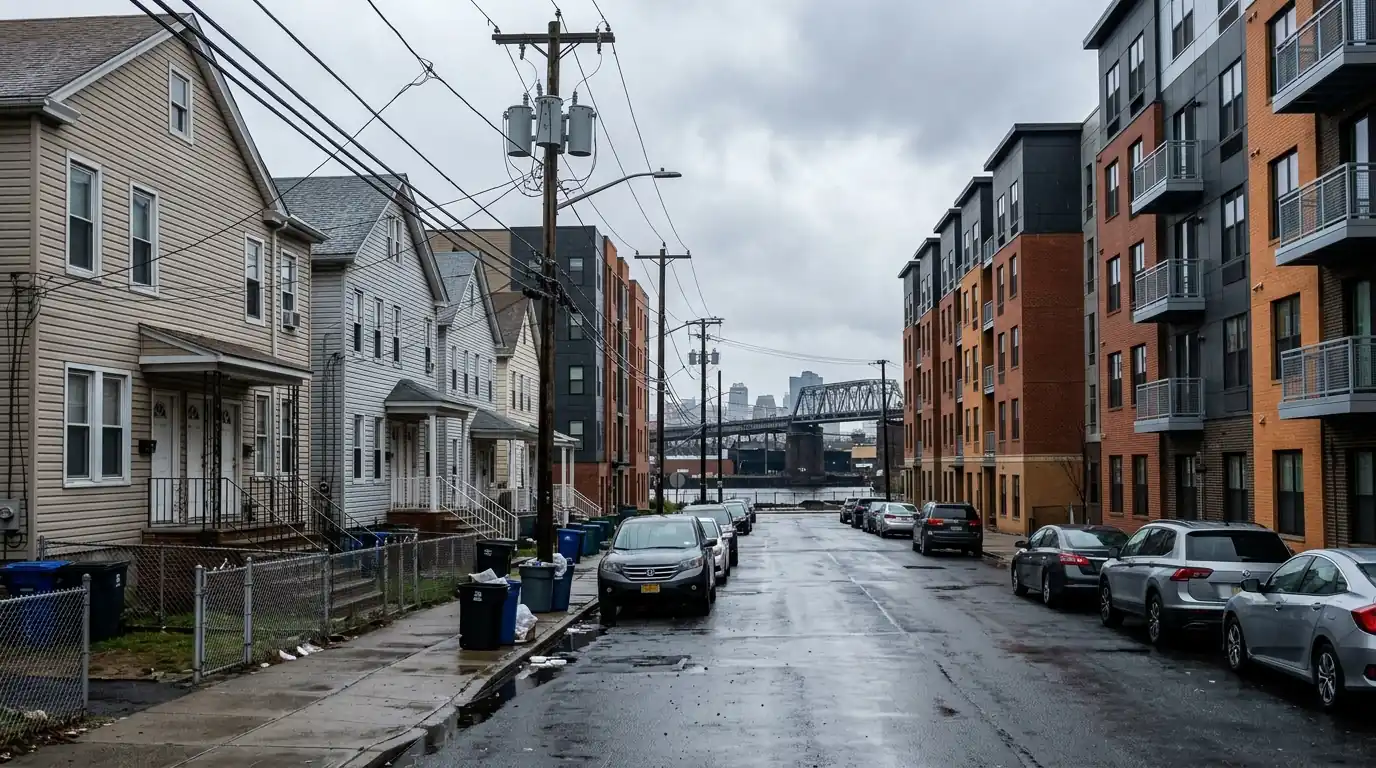
If water creeps across your Harrison basement floor from the base of the wall, ring us at (201) 578-5199 whenever it starts. We confirm whether it is cove joint seepage, a wall crack or a plumbing leak, then seal it with injection or capture it with an interior drain and sump. Owners of new mid-rise buildings with wet garages or lower levels get the same diagnosis.
Poured concrete basements are built in two steps: the footing and walls first, then the floor slab poured inside them later. The seam between the two, called the cove joint, never truly bonds. When groundwater rises around a Harrison house after a long rain, hydrostatic pressure pushes it up through that seam, and you find a thin sheet of water spreading outward from the wall's bottom edge instead of dripping from above. Older two-family houses with block walls add another route, since water fills the hollow cores and drains out at the bottom course.
Harrison's spot beside the Passaic River puts many blocks on lower ground, where groundwater tends to sit higher after storms. That's why a cove joint that stays dry for months can seep for days after a nor'easter. Painting the joint or troweling hydraulic cement over it rarely lasts, because the pressure that pushed water through will find the next weak point a foot away. Durable cove joint leak repair either relieves the pressure with drainage or seals the seam with a material that stays flexible as the slab moves.
The mid-rise rentals near the Harrison PATH station are new, but new concrete doesn't mean a dry building. Tie-rod holes from the formwork, construction joints, pipe sleeves and shrinkage cracks all show up in fresh garage walls and lower levels within the first few years. Property managers usually notice efflorescence trails, wet parking stalls or dampness in storage and mechanical rooms. We trace each entry point, inject cracks and tie holes, and seal joints. Where the building has an elevator, we check the pit on the same visit, since it sits deepest in the groundwater and is often the first place a new building shows trouble.
Work in an occupied rental building runs on the manager's calendar. We book access ahead, keep garages and corridors open by working in sections, and protect finished spaces near the repair. For a building still under construction, new construction waterproofing gets the membrane and drainage right before backfill, which costs far less than chasing leaks after tenants move in. Harrison calls land at the downtown Jersey City office, 218 Newark Avenue, a short ride along the PATH line, and we answer them around the clock.
Based on the buildings here, these are the calls we expect from Harrison. Every other service on our list is available too.
A thin line of water creeping out where the floor meets the wall after a downpour is a cove joint leak.
DetailsA single crack running down a poured basement wall can soak a corner of the floor every time it rains.
DetailsWhen groundwater keeps finding its way in at the base of your walls, coating the inside won't hold it back.
DetailsIf your sump pump is humming without moving water, cycling every few seconds or sitting silent while the pit fills, call us now.
DetailsThe cheapest moment to keep a basement dry is before the soil goes back against the wall.
DetailsWater in an elevator pit is more than a nuisance: it rusts equipment, can take a car out of service and tends to show up on inspection reports.
DetailsIn a Harrison two-family, the basement often serves both units: two sets of storage, a shared laundry and the heating equipment. That makes a wet floor everyone's problem and raises the stakes when a boiler or water heater sits right where water collects. We start by testing the walls and the floor drain, checking whether leaders outside are pouring roof water back at the foundation, and making sure the sump discharge isn't simply cycling the same water back into the ground beside the house for another trip through the wall, which happens more often than most owners would guess.
Most of these basements dry up with a mix of fixes rather than one big system: crack injection on the worst wall, a pump repair or a backup unit if the pump is unreliable, and an interior drain where the cove joint seeps along a whole side. Once the water is handled, a dehumidifier keeps summer humidity in the 45 to 55 percent range so shared storage stops smelling musty. Owners next door can see our Kearny foundation page for the older walls common on that side of the town line.
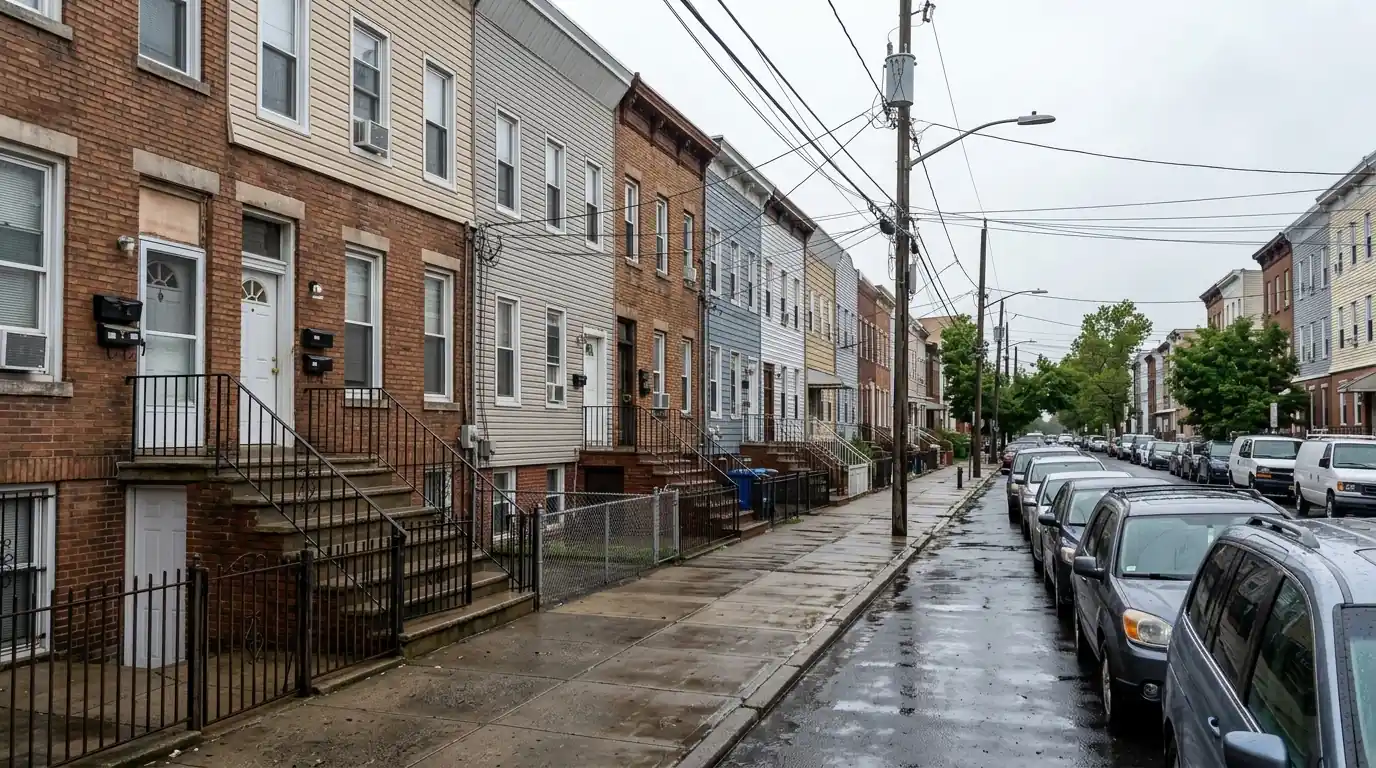
That pattern points to the cove joint, the seam where the floor slab meets the foundation wall. When groundwater rises around the house, pressure pushes water up through that seam. It's common near the Passaic River after long rains. We confirm it by watching where the water first appears, then seal the joint or install an interior drain to relieve the pressure.
It's common, though not something to ignore. New garages often leak at tie-rod holes, construction joints and shrinkage cracks as the concrete cures and the building settles. These are usually simple to inject and seal. We document each leak point so you can share the findings with your builder or management company, then repair them in phases to keep parking open.
It might slow a leak for a season, but hydraulic cement is rigid, and the slab and wall move slightly with temperature and moisture. The patch cracks loose and water returns, often right beside it. A lasting repair either seals the joint with a flexible injected material or relieves the pressure with an interior drain and sump so water no longer pushes through.
Call (201) 578-5199 any time. Tell us the address and what you're seeing, and we'll take it from there.